Bobku · Single + album / EP appearances
Hustle & Hope
Ten-Dollar Dreams
In the festival parking lot at 1am, the perimeter economy hustles with laptops and blank lanyards—trying to turn static into signal before the battery dies.
Track details
- Artist
- Bobku
- Length
- 2:29
- BPM
- 145
- Key
- 3A
- ISRC
- QZ-K6P-26-07194
- ISWC
- Not listed
- Primary album
- Untold
- First release







Inside the fictional festival
Narrative & Festival Context
Festival Program Note
Beyond the gates, under floodlights and bass bleed, the unofficial workforce runs its own aftershow: laptops on low battery, blank lanyards worn like armor, and a chorus of “I can cut that fast” drifting between cars. It’s not glamour—it's rent, groceries, and a fragile maybe, pitched one handshake at a time. They call it spam; the lot calls it work: people trying to turn static into signal before the night ends.
*Not affiliated with Feltware Festival staff or operations.
The people behind the music
Track dedication
Dedicated to the “perimeter economy” around a festival—the people who aren’t on the bill and aren’t on payroll, but still show up trying to turn proximity into opportunity. Not villains. Just ambition with rent due. The ones walking the edge of the lights with a phone at two percent and a pitch they’ve practiced until it sounds casual: “two clips, one hook,” “one dance video,” “I’ll clean up your bio,” “I can get you seen.”
This track is for the micro-creators selling deliverables, the growth dealers selling reach (the real grinders and, yeah, the ones reaching a little too far), the connectors selling access, and the almost-crew selling commitment—time, sweat, presence—hoping it converts into a door that stays open. You’re part of the ecosystem nobody puts on the poster: the shadow marketplace of hope, hustle, and half-chances. You’re not background noise—you’re the sound of people trying.
Fictional behind-the-scenes notes
Behind the track
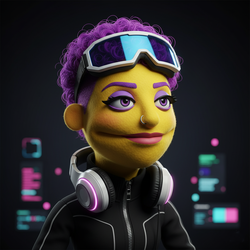
Nova took this one because she knows the parking-lot ecosystem is part of the festival too—the freelancers, shooters, editors, brand-polishers, and maybe-managers trying to turn one conversation into next month’s rent. She built it as Jersey/Baltimore club on purpose: fast, clipped, restless, all forward motion and no cushion, like a dead-phone hustle with a red battery and a full pitch deck in your head. The staccato rhythm gave her a way to mirror the language of the grind—two clips, one hook, one shot, one maybe—while still treating the people in it with respect. To Nova, the song isn’t about “clout chasers.” It’s about all the half-visible creatives orbiting the lights, trying to become signal before the night packs up and drives away.
The words